Is Natural Psoriasis Relief Worth It? What You Should Know
When people ask whether natural psoriasis relief is “worth it,” what they usually mean is simpler and more personal: Will it calm the itch and redness without making me feel worse, and can I do it safely alongside the care I already rely on?
Psoriasis can be stubborn. It can flare when you travel, when stress builds, when weather shifts, or after your routine changes. So it’s understandable to look for calmer options, especially if you want to avoid harsher feels, side effects, or the constant back-and-forth of adjusting prescriptions. Natural does not automatically mean harmless, though. And “natural” is a wide umbrella, from gentle skin care to supplements, to at-home practices that can help or harm depending on how they are used.
Here’s how to think about natural psoriasis relief in a grounded, practical way, so you can make choices that actually support psoriasis relief without steroids, or at least reduce the intensity of flares while you work with a clinician.
What “natural relief” can realistically do
Natural approaches often shine in three areas: skin comfort, barrier support, and flare prevention habits. When psoriasis is active, the skin barrier is already under stress, and dryness and irritation can amplify symptoms. Many natural methods focus on reducing that downstream irritation, which can make plaques look less angry and feel less itchy.
But natural relief is not the same as rapid medical control. If you need something to bring an intense flare down quickly, prescription treatments are often built for Check over here that job. Natural options tend to work more gradually, and results depend heavily on consistency and individual triggers.
In my experience, the most helpful mindset is to treat natural strategies as supportive care. They can complement other treatments. They can also be worth trying when symptoms are mild to moderate, or when you are between flares and trying to reduce how easily things come back.
A useful way to frame it is this: natural vs medical psoriasis treatments is not always either/or. Natural options can reduce the “volume” of symptoms so you can tolerate life while you fine-tune the rest of your plan.
A quick reality check for expectations
If you start something natural and notice improved comfort within a week, that’s not unusual. If you have flatter plaques or less itch, it may be a sign the skin barrier is settling. If the plaques remain thick, scaly, and actively inflamed with no change after a few weeks, you may need a different category of relief.
Natural psoriasis relief often looks like “calm psoriasis naturally” rather than a dramatic reset overnight.
The safer side of natural options for calming psoriasis
Safety is where natural approaches earn their keep. Many people assume that because something is “natural,” it cannot irritate. In reality, essential oils, strong exfoliants, and overly hot showers can all backfire.
The safest natural choices tend to be the boring ones: gentle cleansing, moisture, and avoiding triggers that directly irritate skin. When you treat psoriasis like an irritated barrier, the payoff can be real.
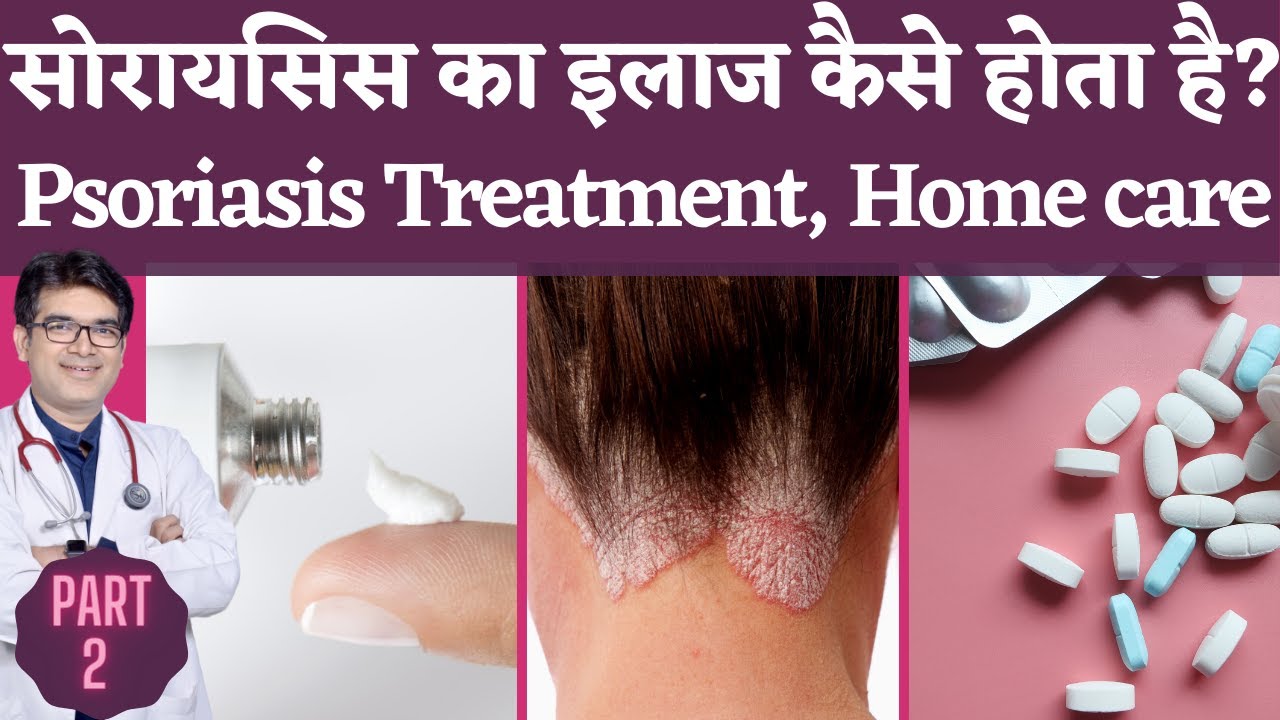
Below are natural strategies that are commonly gentle when done carefully.
- Use fragrance-free cleansers and moisturizers to reduce irritation and keep the barrier calm
- Consider gentle bath additives such as colloidal oatmeal, if your skin tolerates it
- Moisturize consistently after bathing, while skin is still slightly damp
- Avoid harsh scrubs, stiff brushes, and hot water, which can worsen scaling and itch
- Protect skin from friction and sunburn, since trauma can trigger flares
Even within these categories, small adjustments matter. For example, a moisturizer that feels fine on day one might sting on a newly flaring patch. I’ve seen the same product help some people and worsen others simply because their skin barrier was at different points in the cycle.
If you want psoriasis relief without steroids, these barrier-focused steps are usually the foundation. Then you can add carefully chosen extras based on what your skin responds to.
When “natural” becomes risky
It’s also worth naming the red flags. Natural is not automatically safe if it involves high-contact irritants or ingestion without a plan.
Some examples to approach cautiously: - Essential oils applied directly to plaques, especially undiluted - Frequent exfoliation to “thin” scales, which can create more inflammation - Supplements with little clarity on dosing, especially if you take other medications - Skipping care entirely when symptoms are severe or spreading
If you’re unsure, it’s reasonable to check in with a clinician or pharmacist before adding supplements. That’s not about being anxious, it’s about avoiding avoidable interactions and side effects.
How to tell if natural is working for you
Natural approaches work best when you can measure progress in a way that matches your symptoms. Psoriasis is highly visible, but itch, burning, and sleep loss are just as important as how plaques look.
Look for signs that align with real improvement, not just temporary changes. A good “is it worth it?” question can be answered with simple tracking.
Try this approach for a few weeks: - Pick one or two natural changes so you can tell what helped. - Track itch and sleep, not just redness. - Watch plaque behavior such as scaling and thickness.
If you’re using something like phototherapy alternatives or topical plant-based products, keep notes on timing. Many people apply a product once, expect immediate results, then switch too quickly. Natural relief tends to be cumulative and influenced by your daily routine.
A practical example: if you switch to a fragrance-free cleanser and a thick moisturizer, you might notice less itch in the first days. If you also avoid hot showers and reduce friction, the plaques may soften and scale less over a few weeks. If none of those changes move the needle, it’s a sign to adjust strategy, not a sign of personal failure.
Effectiveness of natural psoriasis remedies: what changes the odds
The effectiveness of natural psoriasis remedies is rarely about a single “miracle” ingredient. It’s more often about the basics done well plus targeted adjustments for your triggers.
From what I’ve seen, these factors usually make natural strategies more likely to help: - Consistency with moisturizing and gentle cleansing - Trigger awareness, especially weather changes, stress, skin trauma, and friction - Skin-friendly routine choices, like lukewarm water and soft fabrics - Pairing natural care with appropriate medical guidance when needed - Avoiding “stacking” too many new products at once
This is where people feel discouraged. They try three new things in a week, react to one, and can’t tell which. Or they add a product that stings, keep using it because it’s “natural,” and unintentionally worsen the flare.
Natural vs medical psoriasis treatments can both be effective, but the path matters. Natural approaches often improve comfort and barrier function, while medical treatments may control inflammation more directly. You can aim for both, depending on your severity and preferences.
Natural, medical, and the middle ground: choosing what fits
You don’t have to choose between “natural” and “real treatment.” Many people benefit from a blended plan that respects their goals, including psoriasis relief without steroids when possible.
Here’s a realistic way to think about the middle ground: - If your plaques are mild or mostly limited, natural support may be enough to reduce itch and maintain comfort. - If you have moderate to severe flares, or symptoms are spreading, medical support may be necessary to regain control. - If natural steps reduce irritability, medical care can work better afterward, often with less disruption.
If you are dealing with scalp psoriasis, nail psoriasis, or psoriasis in sensitive areas, natural care can still help, but application choices need to be more careful. A product that’s fine on arms might irritate eyelids. A bath additive that helps thick plaques might sting compromised skin.
A few questions to ask yourself before committing
When deciding whether natural care is worth it, consider: 1. How severe is your flare right now? Comfort support may be reasonable for mild cases, but not always for severe inflammation. 2. Are you open to adjusting quickly if it irritates? Skin feedback should guide you. 3. Can you keep the basics consistent? Moisture, gentle cleansing, and avoiding trauma matter more than hype. 4. Do you want to reduce steroid reliance, or avoid steroids entirely? Those are different goals. 5. Do you have any risk factors that make supplement use questionable? Medication interactions and sensitivities matter.
If the answer is “yes, I can commit to gentle, consistent care,” then natural options are often worth trying. If the answer is “I want a fast cure with no follow-up,” you may end up disappointed.
Psoriasis can be emotionally draining, especially when you’re trying to soothe your skin and your mind at the same time. The best approach is the one you can sustain safely, while staying honest about what your skin is telling you.
When to get help instead of relying on natural alone
Natural options can be supportive, but some situations call for medical guidance even if you strongly prefer natural methods. If you are experiencing worsening spread, significant pain, signs of infection, or flare patterns that keep escalating, it’s smart to get professional input. Also, if you are unsure about what you’re seeing on your skin, evaluation matters, because psoriasis can overlap with other conditions that look similar.
Natural psoriasis relief is often a worthwhile companion, especially for calming skin and supporting your barrier. But it’s not a substitute for care when the body is signaling that a stronger approach is needed.
The most empowering question isn’t “Is natural worth it?” It’s “What kind of relief can you trust to be safe, consistent, and effective enough for where your psoriasis is today?” In that frame, natural choices are not a gamble. They become a strategy you can refine.